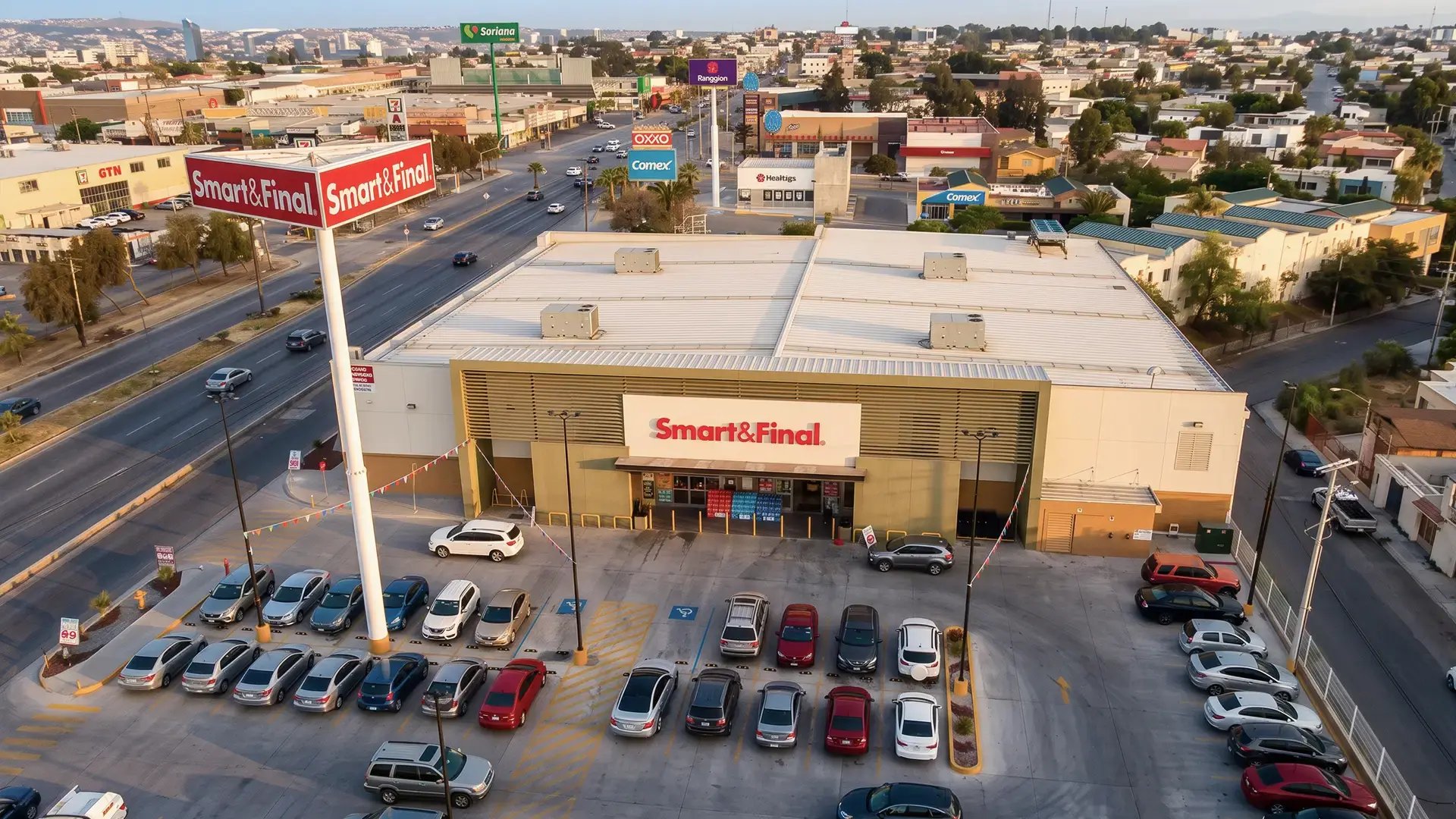
Every retailer runs a first allocation, the initial distribution of stock that fills the stores. It is built on a forecast, and forecasts are averages. Averages do not know that one store in the network has been sitting on 156 days of cover while another sells the same item every week.
Second allocation is the corrective layer that comes after. It reads actual demand at SKU level, store by store, and moves stock store-to-store so the product ends up where it will sell at full price. It does not replace replenishment. It fixes what replenishment cannot see.
The platform "identifies which stores have dead inventory and helps us determine where we can sell it," Villegas says, which "keeps inventory from sitting idle, improves turnover, and, obviously, helps margin."
The sequencing matters. YDISTRI does not prevent the full truckload from arriving, and it does not stop a B2B customer from walking away. It works on what happens next. Once the problem exists, in Villegas's words, "it helps us move that merchandise to the stores where it's actually needed."
Earlier in the engagement, the same approach cut phantom stock at Smart & Final by 84% and reduced dead stock value by 52%. Phantom stock is inventory the system shows as available when it is not, and it is one of the quieter margin leaks in any chain, because nobody reorders what the report says is already there.