---
title: DOUGLAS on Selling 25% Portfolio Turnover at Full Price | YDISTRI
description: Discover how DOUGLAS enhances margins and optimizes inventory through YDISTRI's innovative solutions, addressing retail challenges and improving customer experience effectively.
---
[Y′interview: CRC Sports reduced in-store out-of-stocks by about 50%. The redistribution adds around THB 5 million in incremental gross profit.](https://ydistri.com/blog/crc-sports-reduced-out-of-stocks-by-50-percents-without-buying-additional-stock)
[Y′interview: CRC Sports reduced in-store out-of-stocks by about 50%. The redistribution adds around THB 5 million in incremental gross profit.](https://ydistri.com/blog/crc-sports-reduced-out-of-stocks-by-50-percents-without-buying-additional-stock)
[Y′interview: CRC Sports reduced in-store out-of-stocks by about 50%. The redistribution adds around THB 5 million in incremental gross profit.](https://ydistri.com/blog/crc-sports-reduced-out-of-stocks-by-50-percents-without-buying-additional-stock)
[Y′interview: CRC Sports reduced in-store out-of-stocks by about 50%. The redistribution adds around THB 5 million in incremental gross profit.](https://ydistri.com/blog/crc-sports-reduced-out-of-stocks-by-50-percents-without-buying-additional-stock)
[Y′interview: CRC Sports reduced in-store out-of-stocks by about 50%. The redistribution adds around THB 5 million in incremental gross profit.](https://ydistri.com/blog/crc-sports-reduced-out-of-stocks-by-50-percents-without-buying-additional-stock)
[Y′interview: CRC Sports reduced in-store out-of-stocks by about 50%. The redistribution adds around THB 5 million in incremental gross profit.](https://ydistri.com/blog/crc-sports-reduced-out-of-stocks-by-50-percents-without-buying-additional-stock)
- [Y′solution](https://ydistri.com/solution)
- [Y′platform](https://ydistri.com/platform)
- [Y'myths](https://ydistri.com/retail-myths-that-are-eating-your-margin)
- [Y′resources](https://ydistri.com/resources)
- [About](https://ydistri.com/about)
- *Search*
- [Book a demo](https://ydistri.com/book-a-demo)
- [Back](https://ydistri.com/)
# **Y′interview:** 25% of DOUGLAS portfolio changes every year. YDISTRI keeps it selling at full price.
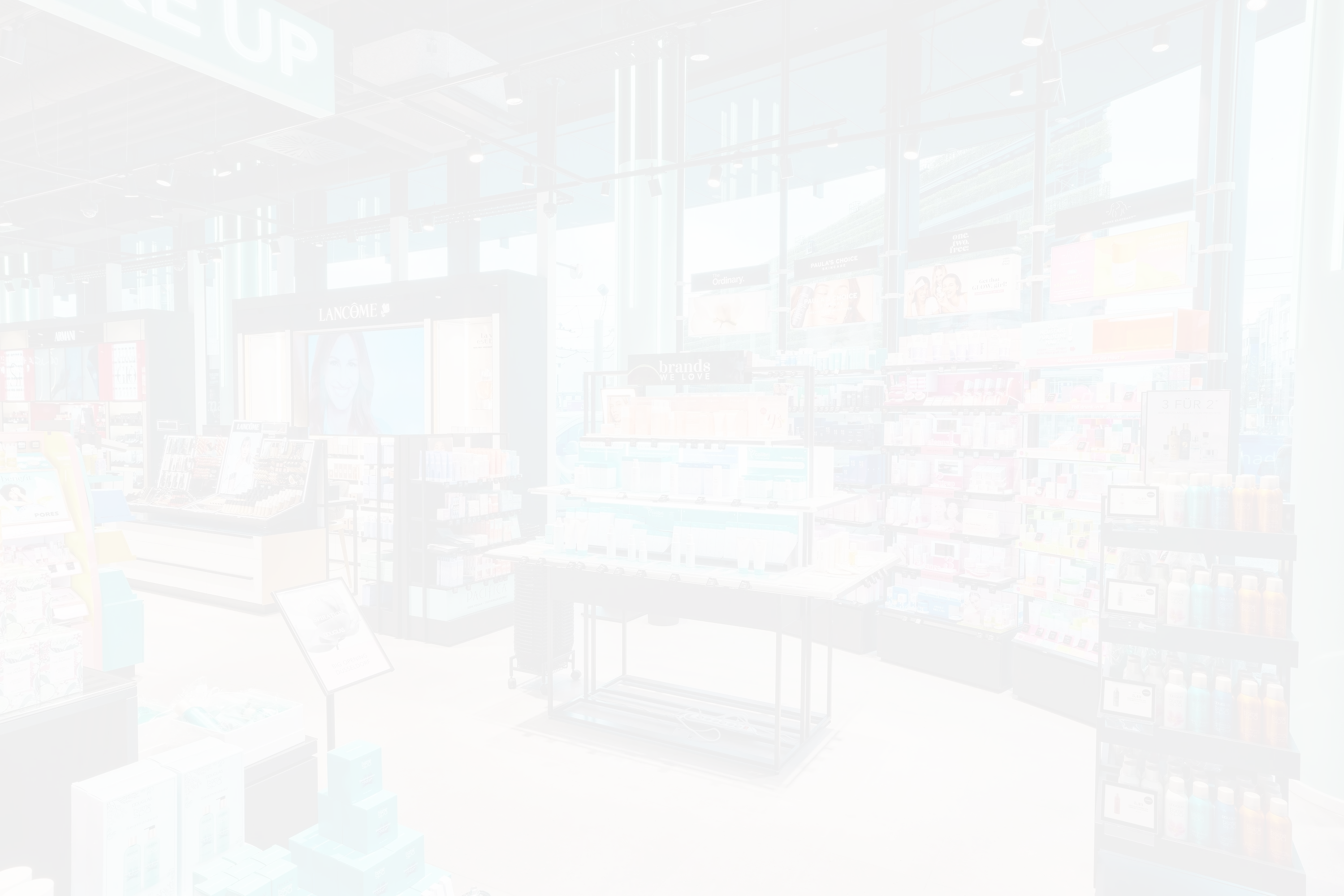
DOUGLAS refreshes about 25% of its portfolio every year. Novelties and In-/Outs arrive at scale, sit in the wrong stores, and run out in others. The pattern was visible internally for years. No tool addressed it at the store-to-store level.
YDISTRI's second allocation identifies that overstock and moves it before it has to be marked down. At DOUGLAS, the operating cost of the program runs below 3% of the markdown it replaces. Margins hold at full price, no promotional discounting is required, and every relocated unit creates free cash flow because nothing new has to be purchased. Implementation took 3 months.
**25%** novelties and In-/Outs with high complexity in SC Planning, often resulting in overstock.
**97%** of avoided markdown cost stays as margin. YDISTRI's program runs on the other 3%.
**3 months** from kickoff to live redistribution across the store network. No long integration cycle.
### **Y′01.** What is DOUGLAS famous for?
### **Y′02.** What is biggest challenge in retail nowdays?
### **Y′03.** What does it mean to be an SVP at DOUGLAS?
### **Y′04.** What makes DOUGLAS unique as an omnichannel retailer?
### **Y′05.** Which ways of purchasing goods does the customer have?
### **Y′06.** How does the Supply Chain at DOUGLAS support the omnichannel customer proposition?
### **Y′07.** Which KPIs matter the most?
### **Y′08.** What inventory challenge were you facing across your store network?
### **Y′09.** Why did YDISTRI stand out as a right approach?
### **Y′10.** What makes YDISTRI different from its competitors?
### **Y′11.** What measurable results have you seen since implementing YDISTRI solution?
### **Y′12.** How does YDISTRI solution impact the customer experience?
### **Y′13.** Will better planning ever eliminate the need for store-to-store reallocation?
### **Y′14.** What does the YDISTRI pilot tell the skeptics?

**Dr. Kai Schaal**
Senior Vice President Group Supply Chain at DOUGLAS
### **Y′01.** What is DOUGLAS famous for?
### **Y′02.** What is biggest challenge in retail nowdays?
### **Y′03.** What do you try to solve with store-to-store rebalancing?
### **Y′04.** Does forecasting truly compete with replenishment?
### **Y′05.** How does the rebalancing tool loop work in principle?
### **Y′06.** So, forecasting and replenishment rather complement each other?
### **Y′07.** How do forecasting and replenishment systems communicate with each other?
### **Y′08.** Is rebalancing worth the cost, or is it an unnecessary expense?
### **Y′09.** Logistics costs rise slightly, but do you still sell at full price?
### **Y′10.** Who is responsible for reallocation decisions in your company?
### **Y′11.** Are sales people convinced by innovations?
### **Y′12.** Were there any issues during the integration?
### **Y′13.** How do you evaluate the YDISTRI system and its impact on key metrics?
### **Y′14.** What other metrics do you track?

**Dmitry Proskurin**
Head of Supply Chain Development at DOUGLAS
## Explore a Partnership
### Interested in bringing YDISTRI to your retail network or exploring a strategic partnership? Fill out the form and let's start the conversation.
## Stay on top of the latest trends
Subscribe to receive a Y′monthly digest of our most valuable
resources like articles, whitepapers and case studies.
- [](https://www.linkedin.com/company/ydistri)
- [](https://www.youtube.com/@YDISTRI1)
- [](https://twitter.com/ydistri1)
- 
#### Y′resources
- [Y′case studies](https://ydistri.com/books)
- [Y′knowledge base](https://ydistri.com/knowledge-base)
- [Y′blog](https://ydistri.com/blog)
- [Y′podcast](https://ydistri.com/podcast)
#### Our product
- [Y′solution](https://ydistri.com/solution)
- [Y′platform](https://ydistri.com/platform)
#### Company
- [About](https://ydistri.com/about)
- [Y′career](https://ydistri.com/careers)
- [Y′contact](https://ydistri.com/contact)
- [Y′press kit](https://ydistri.com/ypress-kit)
- [Privacy policy](https://ydistri.com/privacy-policy)
- [Cookies policy](https://ydistri.com/cookies-policy)
- [Career policy](https://ydistri.com/careers-policy)
